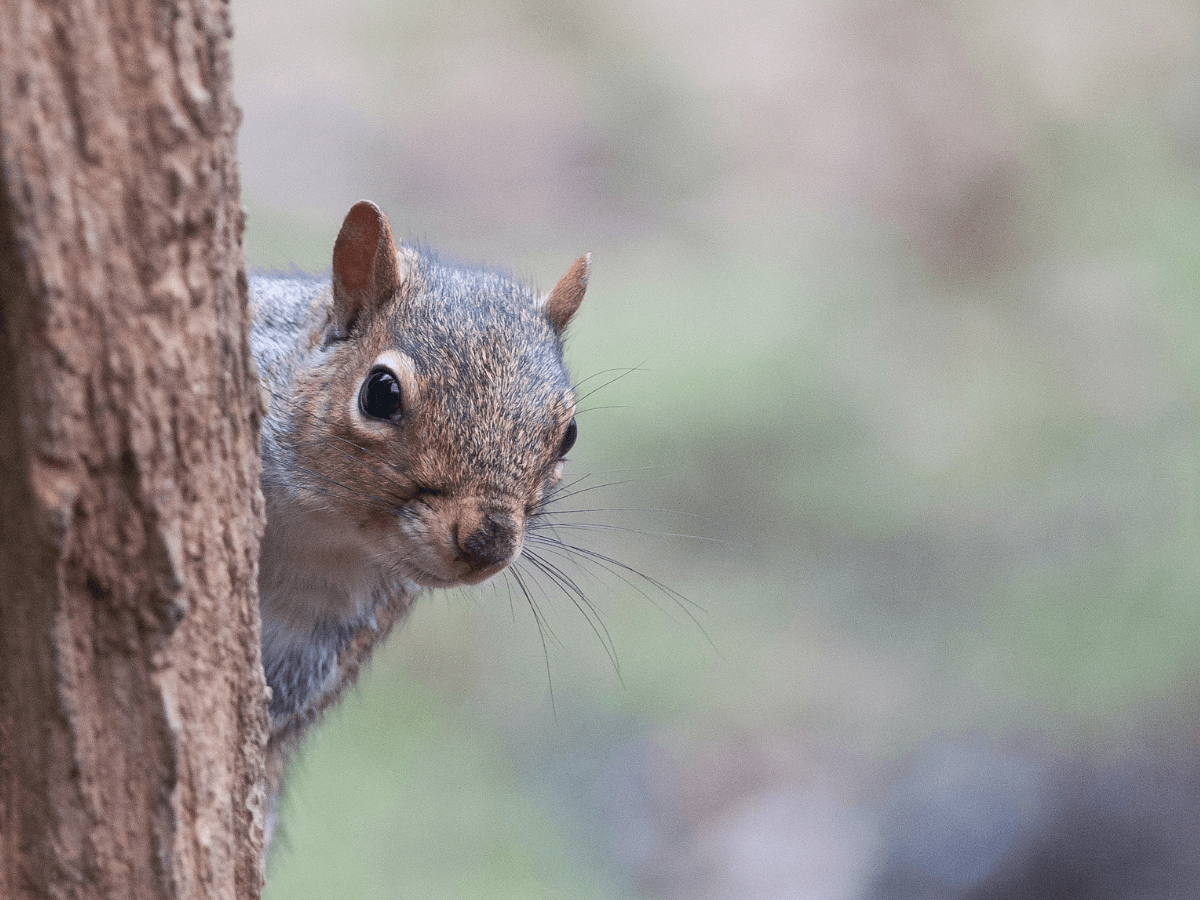
As the temperature drops in Georgia this December, you’re probably looking forward to cozying up indoors. But you’re not the only one seeking warmth! Squirrels, with their fluffy tails and acrobatic antics, might seem cute in the park, but they can become a real nuisance when they decide your attic is the perfect winter getaway. Because you don’t want to worry about who (or WHAT) you’ll find making a home in your house. These persistent critters are more than just a minor annoyance; they can cause significant issues for homeowners. Understanding why they’re trying to move in and how to stop squirrel problems is key to keeping your home a squirrel-free zone this winter.
While squirrels are active all year, the cold winter months drive them to find warm, protected places to nest. Your home offers the ideal shelter from the harsh elements, and December is prime time for them to start house-hunting.
Your attic, chimney, or crawlspace provides a perfect escape from the cold, wind, and predators. These dark, quiet spaces make excellent dens where squirrels can store food and ride out the winter.
Squirrels spend much of their autumn gathering and burying nuts, but they’re always on the lookout for an easy meal. Bird feeders, unsecured trash cans, and even leftover pet food can attract them to your property, making your home a convenient one-stop-shop for both food and shelter.
A squirrel in your attic is more than just a bit of scurrying noise over your head. You shouldn’t have to deal with the problems they can create.
Squirrels have constantly growing teeth, which means they need to chew on hard surfaces to keep them filed down. Unfortunately, they aren’t picky about what they chew. Inside a home, they can gnaw on:
Squirrels will tear up insulation to build their nests, reducing its effectiveness and increasing your heating bills. They also leave behind droppings and urine, which can create foul odors and stain ceilings and walls, while also bringing in fleas and ticks to your home.
The best defense is a good offense. Making your home less attractive to squirrels is the most effective way to prevent them from becoming a problem in the first place.
Think like a squirrel for a moment and look for easy ways in. A tiny opening is all they need.
Don’t roll out the welcome mat with an all-you-can-eat buffet.
You shouldn’t have to worry about pests taking over. If you suspect you have squirrel problems, contact a professional wildlife control service. A trained expert can properly identify entry points, implement a plan for removal, and help you secure your home against future intruders. Reach out today for an inspection and get your home back.
December 31, 2025
December 17, 2025
December 3, 2025
November 26, 2025