Quick answer: Natural mouse deterrents such as peppermint oil, cayenne pepper, and ultrasonic devices can make a single spot less appealing to mice for a short time. None of them remove mice that are already nesting inside a home. Sealing pencil-width entry gaps and removing food and clutter is the only mouse deterrent method that reliably keeps mice out, according to pest professionals working across middle and east Georgia.
If you’ve searched for a mouse deterrent, chances are you’ve found a dozen lists promising that peppermint oil, mothballs, or a $15 ultrasonic gadget will send mice packing. Some of these methods do something. Most do very little. A few do nothing measurable at all.
This guide breaks down seven natural mouse deterrents by what they actually accomplish, not what the bottle claims. We’ll also cover why fall is peak mouse season in Georgia, how to tell if you’re dealing with one mouse or a growing family, and when it’s time to stop experimenting and call someone who deals with this every day.
Before ranking the seven methods, it helps to understand their shared limitations. A deterrent works on the margins: it can make one gap, one cabinet, or one corner less inviting for a few days. It cannot compete with what actually drives a mouse indoors: warmth, food, and a safe place to nest. Exclusion, which means physically sealing the openings mice use to get inside, is the only approach that consistently solves the problem. Everything else on this list buys you time or covers a small gap.
With that context, here’s how the seven most commonly recommended natural mouse deterrents actually stack up.

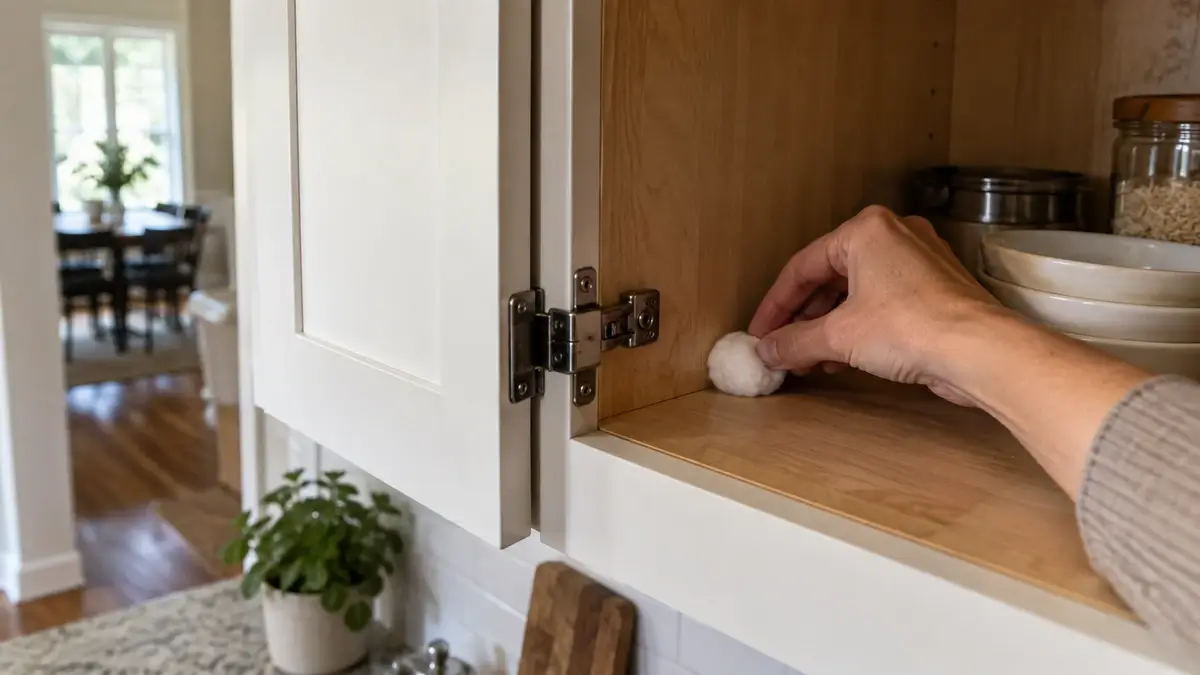
Verdict: Peppermint oil can make mice avoid a treated area for a few days while the scent stays strong. Use: Soak cotton balls in peppermint oil and place them at a single known entry point, such as a gap behind a dryer vent. Limitation: The scent fades within 48 to 72 hours, so it requires constant reapplication and only ever covers one spot at a time.
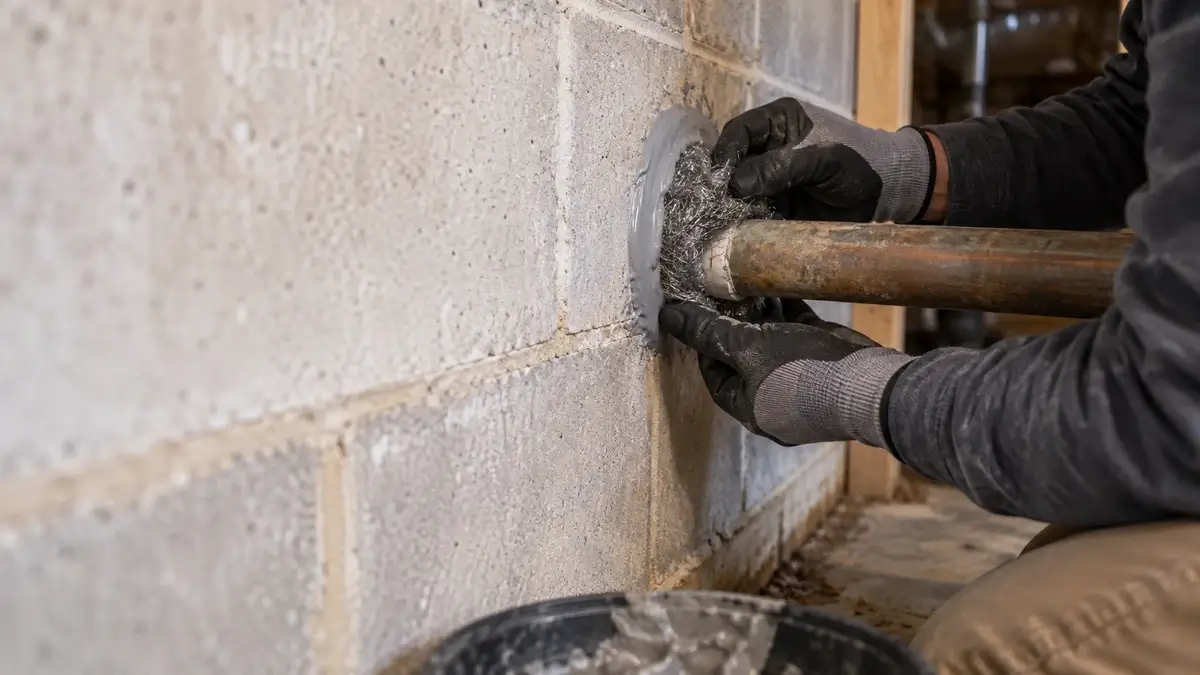
Verdict: Steel wool and copper mesh are the most effective option on this list because they work through physical exclusion, not scent or sound. Use: Stuff the mesh tightly into gaps around pipes, vents, and utility lines, then seal over it with caulk or expanding foam so mice can’t pull it loose. Limitation: It only protects the specific gap it’s packed into, so every opening around the home needs to be found and treated individually.
Verdict: There is no reliable evidence that ultrasonic repellers clear an existing infestation or reliably prevent one. Use: If you try one, know that the sound only travels in a direct line and does not pass through walls, furniture, or around corners. Limitation: Manufacturer claims outpace independent testing, and mice in lab and field studies have repeatedly habituated to the sound within days.
Verdict: Capsaicin, the compound that makes peppers hot, irritates a mouse’s nose and mouth enough to discourage nibbling at a specific spot for a short period. Use: Sprinkle cayenne or a diluted hot sauce solution around an entry point outdoors, away from pets. Limitation: It breaks down quickly outdoors with moisture and sunlight, and it can irritate the eyes and paws of curious dogs or cats.
Verdict: Clove and eucalyptus oil work through the same strong-scent mechanism as peppermint oil, with a similarly short window of effectiveness. Use: These oils tend to perform slightly better in small, enclosed spaces like cabinets or drawers where the scent doesn’t dissipate as fast. Limitation: Open rooms and drafty areas reduce their impact quickly, and they still require frequent reapplication.
Verdict: Dryer sheets are one of the most widely repeated mouse deterrent tips online, but there is little supporting evidence they do much beyond adding a pleasant smell to a drawer. Use: Ammonia mimics the scent of predator urine and may discourage a mouse from a specific corner for a short time. Limitation: Ammonia fumes require careful ventilation and should never be mixed with bleach or used in enclosed spaces, since the fumes are harmful to people and pets.
Verdict: A cat may catch individual mice that cross its path, which can help with a single stray visitor. Use: Cats are most useful as one layer of defense alongside sealing and sanitation, not as a standalone solution. Limitation: A cat cannot access mice nesting inside wall voids, attics, or crawl spaces, so it does nothing to resolve an established population.
The methods above buy time. These three steps solve the problem.

| Approach | Effectiveness | Effort |
|---|---|---|
| Sealing entry gaps (steel wool, mesh, caulk) | High | Moderate, one-time per gap |
| Removing food and harborage | High | Low, ongoing habit |
| Natural deterrents (oils, pepper, sound) | Low to moderate, short-term | High, needs constant upkeep |
Seal entry gaps. Adult mice can squeeze through dime-sized openings, and young mice fit through gaps as small as a pencil width. Common culprits include garage door corners, siding and foundation joints, gaps around dryer and utility penetrations, unscreened crawl space or foundation vents, and openings around HVAC lines.
Remove food and harborage. Store pet food in sealed containers rather than bags. Keep bird seed or grass seed off the garage floor. Move firewood and clutter away from the foundation, since both give mice cover to approach the house undetected.
Place traps correctly, if needed. Mice travel along walls, not through open floor space. Set traps perpendicular to baseboards along known travel routes rather than in the middle of a room.
“The properties I see with the fewest repeat mouse calls aren’t using anything fancy. They’ve just sealed the gaps and stopped leaving pet food out overnight.”
Ryan I. Adams, Quality Assurance Technical Field Trainer, Bug House Pest Control
As night temperatures start dropping through October and November across middle and east Georgia, mice begin pushing indoors in search of warmth. That pressure typically holds steady through the winter months.
The pattern looks a little different depending on where you live. Rural and semi-rural properties around Milledgeville, Dublin, and Eastman often see field mice moving in from pasture edges, treelines, and recently harvested fields. In older Augusta housing stock, crawl spaces, pier foundations, and settled siding gaps give mice easy access. Around Greensboro, lake homes with seasonal occupancy and wooded lots create ideal conditions, since undisturbed structures give mice time to find entry points and nest without interruption.
Early warning signs include scratching in the walls at night, droppings along baseboards or inside drawers, gnawed pet food bags, and a musky odor near suspected nesting areas.
The University of Georgia Extension recommends inspecting a home’s exterior each fall for gaps larger than a pencil width, since this is the size threshold young mice can exploit even after adult-proofing a structure.
A single mouse sighting doesn’t always mean a full infestation, but a few signs suggest you’re dealing with more than one visitor: fresh droppings appearing in multiple rooms, scratching or scurrying sounds coming from more than one wall location, and new gnawing damage showing up in different areas of the home.
The math behind that concern is worth knowing. A female mouse can have a litter every three weeks, with five to six pups per litter. That means a single pair can, in theory, produce dozens of mice within a few months if left unaddressed. For a closer look at just how much damage one mouse can cause before multiplying, read our breakdown of how much damage just one mouse can do.
Mice aren’t the only unwelcome visitors looking for a way in as temperatures drop. Georgia homeowners can get ahead of the season by learning about fall pests that move indoors before they become a problem too.
Natural mouse deterrents have a place, but there’s a point where they stop making sense. Consider bringing in help if you notice droppings in more than one room, activity that returns after trapping, sounds coming from inside walls or ceilings, gnawed wiring, or any activity in a bedroom or kitchen.
When Bug House handles a rodent call, the process starts with a full interior and exterior inspection to map every likely entry point. From there, our team seals confirmed gaps, places traps in targeted locations based on mouse travel patterns, and follows up to confirm the activity has stopped rather than just paused.
Bug House provides rodent control in Georgia, serving homes across Augusta, Milledgeville, Greensboro, and Dublin.
Peppermint oil can discourage a mouse from a specific spot for a few days while the scent is strong, but it fades quickly and needs frequent reapplication. It does not remove mice already nesting inside a home.
There is no reliable evidence that ultrasonic repellers clear or prevent a mouse infestation. The sound travels only in a direct line and does not pass through walls or furniture, and mice tend to adjust to the noise within days.
Mice tend to avoid strong scents like peppermint, clove, eucalyptus, and ammonia, but the effect is short-lived and limited to the treated area. None of these scents address mice already established inside a structure.
Steel wool and copper mesh are the most effective natural option because they physically block entry points rather than relying on scent or sound. Paired with sealant, they close the gaps mice use to get inside.
As temperatures drop in October and November, mice look for warmth and often find their way in through gaps around utility lines, vents, siding joints, and foundation cracks as small as a pencil width.
Signs of more than one mouse include droppings in multiple rooms, scratching sounds coming from different wall locations, and new gnawing damage appearing over time. Mice reproduce quickly, so early signs are worth acting on.
Hearing scratching in the walls? A natural mouse deterrent won’t reach a nest that’s already established. Schedule a free rodent inspection and let us map out what’s actually going on before it grows into something bigger. Bug House provides rodent control and exclusion across Augusta, Milledgeville, Greensboro, and Dublin, and offers more detail on how much damage just one mouse in your house can cause.
November 12, 2026
August 13, 2026
December 31, 2025
December 17, 2025